
An autumn gem: birding the stunning Marshes of Barbate
If you're looking for a birding destination in Cadiz Province that delivers incredible variety, easy access for photography, and the chance to witness impressive flocks of migrants, look no further than the Natural Park La Breña y Marismas del Barbate. This unique coastal area, a spectacular mix of pine forest, dramatic cliffs, and dynamic wetlands, is a critical stopover point on the migration route right next to the Strait of Gibraltar.


I recently spent some time exploring the heart of this Natural Park, focusing on the beautiful Marismas de Barbate (Barbate Marshes). The early autumn weather here is a dream—warm and sunny, perfect for long days in the field without the intense heat of summer. Let me share my experience and tips for getting the most out of a visit to this must-see spot.

The Natural Park: A historical and ecological hotspot
The Natural Park La Breña y Marismas del Barbate is much more than just a birding site; it's an ecological treasure trove with a fascinating history. Located between the municipalities of Barbate and Vejer de la Frontera, this protected area was declared a Natural Park in 1989 and a Zone of Special Protection for Birds (ZEPA) in 2002.

Its strategic location makes it an essential layover for millions of birds traveling between Europe and Africa. The park itself is a mosaic of habitats: the towering cliffs and the dense Pinar de la Breña (Stone Pine forest), moving dunes, and the vast, life-giving wetlands where the Barbate River meets the Atlantic.
Historically, this coastline has been vital—from the Phoenicians who used the corrales (stone enclosures) for fishing to the watchtowers like Torre del Tajo that guarded the coast centuries ago. The marshes themselves have long been a source of fish like Mullet and Gilthead Bream.

For birders, the sheer variety of habitats here means you can tick off waders, gulls, raptors, and passerines all in a relatively small area.
Spot 1: Waders and gulls at El Cañillo
My first stop was the easily accessible and highly productive area known as El Cañillo. This is an absolute magnet for birds, and a great place for a photographer. The main path starts near an information board and runs for about a kilometer towards a branch of the Barbate River. This relatively short stretch is all you need for amazing views.
It's a very well-known spot, and I saw many other birdwatchers, both locals and international visitors, confirming its status as a top-tier hotspot. I experienced visits under both clear afternoon skies and sunny mornings; though the morning sessions initially offered clear visibility, the clarity later deteriorated slightly due to rising heat haze.

I had a great time photographing a large flock of Black-tailed Godwits foraging in the shallow water. By lying down low on the path, I got eye-level shots. The whole flock eventually took to the air, performing a dizzying, synchronized ballet before settling back down. This sudden takeoff reinforced the effectiveness of a patient approach. Rather than chasing the birds, I found it better to find a spot, lie still, and wait for them to grow accustomed to my presence—a strategy that also worked well later with the Greater Flamingos.


The abundance of large wading birds was striking. I observed dozens of Greater Flamingos, which are a familiar sight here, alongside a massive gathering of well over 100 Spoonbills. These elegant migrants, clearly resting and refueling, highlight just how important these marshes are as a critical migratory stopover before they make the final push across the Strait of Gibraltar to Africa.


Heading further along the path, I reached the branch of the Barbate River. The edge was busy with a new cast of characters, primarily herons and waders. Among them were Little Egrets, Grey Herons, Redshanks, and Little Ringed Plovers, to name only a few.


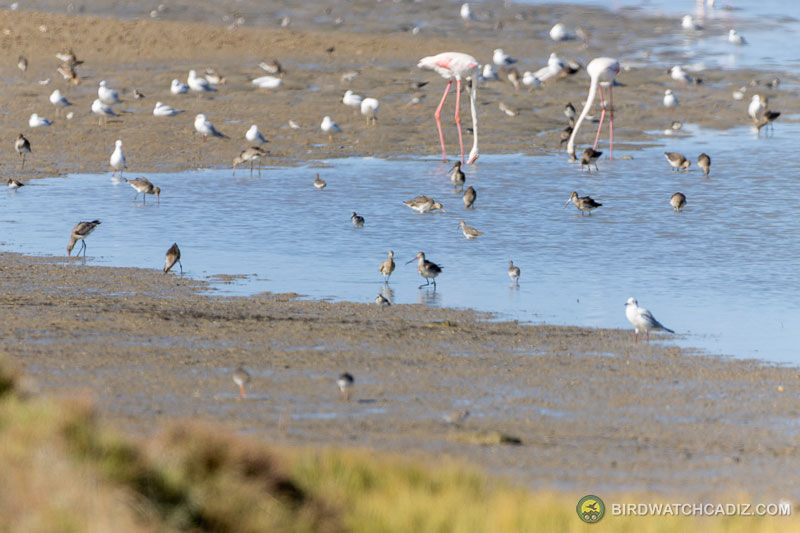
In this area it’s quite easy to photograph herons and egrets at close range, which makes for beautiful shots.

Birding Tip for El Cañillo: You can take a circular path around the marshes, but staying close to the main starting area often yields the best variety and photography opportunities without having to walk miles. Be mindful of the signs and avoid straying into any private fish-breeding areas.

Spot 2: Raptors and river life at the northern marshes
Next, I ventured to a different section, exploring the northern reaches of the reserve: Marismas de Barbate Norte. Although I expected more open water in this area adjacent to the Barbate River, the variety of species made the hike completely worthwhile!
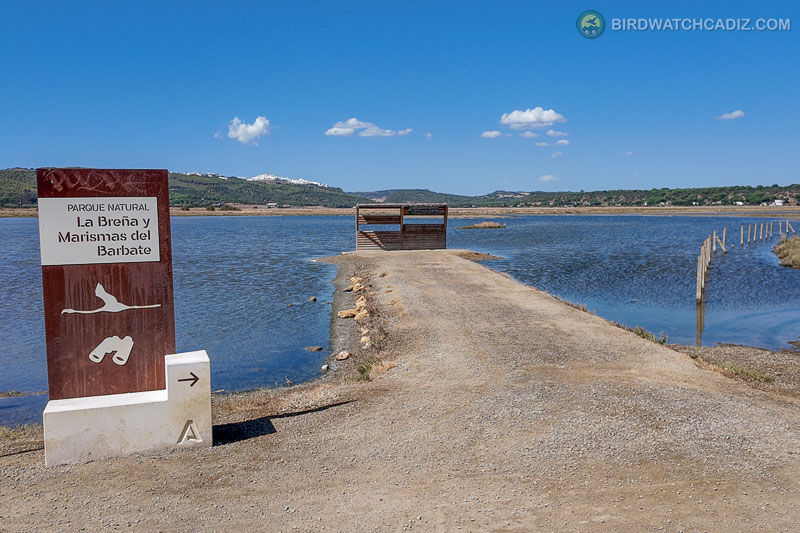


Walking for several kilometers along the river may seem monotonous, but if you put in the steps, you'll be rewarded with fantastic, close-up surprises. I was absolutely delighted to spot a Kingfisher flying low over the water! Other great finds included Ruff, a pair of Sandwich Terns flying a hunting patrol up the river, and a Cormorant with a fresh catch. As the tide gradually came in, the water level in the marsh rose slightly, a minimal but present indication that the river's flow is linked to the sea.
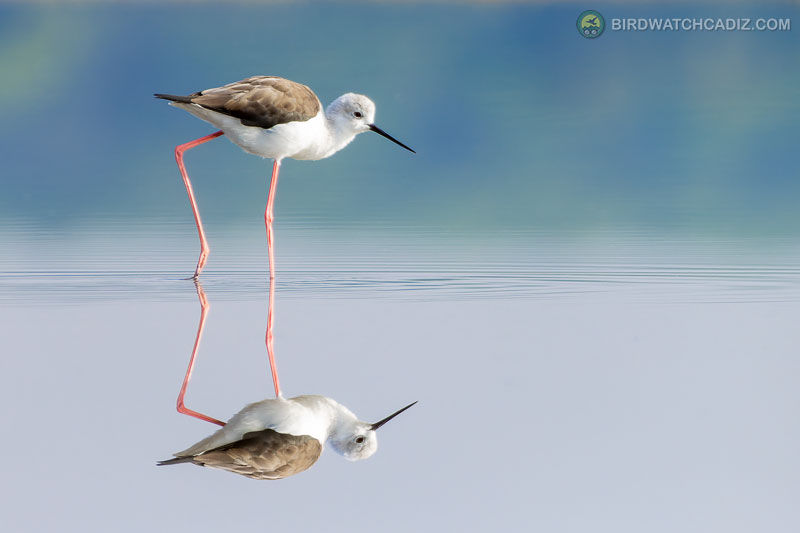


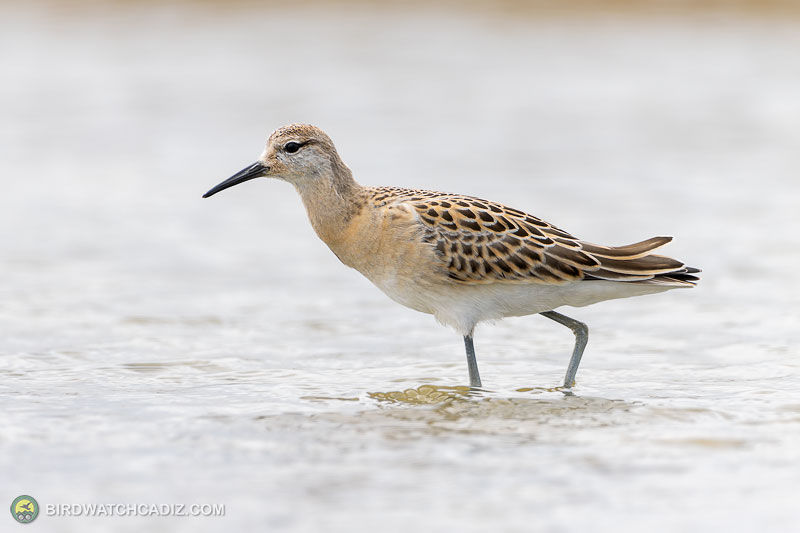


In addition to waders and water birds, this area offers chances for exciting raptor sightings. I observed these under sunny, warm conditions, though on one occasion the day began with clear skies that later gave way to low-lying mist rolling in over the marshes. I had superb views of a pair of Osprey soaring overhead. In the air and patrolling the marsh edges, I also spotted Marsh Harriers, a high-flying Booted Eagle, a Red Kite, and a Kestrel.

The most significant observation came during a walk along the Barbate river. A Little Bustard flew past unexpectedly, and I instinctively pointed the camera and fired a burst of shots. It was only upon reviewing the images at home that I could confirm the identification. Given the scarce reports of this species at this location, and the rare opportunity to photograph it in flight so closely, this was a highly satisfying and unusual record.
Birding Tip for Barbate Norte: Since the marshes naturally have less water in autumn, it's definitely a spot to revisit in the winter when the marshes are fuller. The paths here are in good condition for walking, but remember, access is strictly on foot or bike. Leave the car behind and enjoy the peaceful walk to the various viewing spots along the river.
Spot 3: Exploring the cliffs of Torre del Tajo
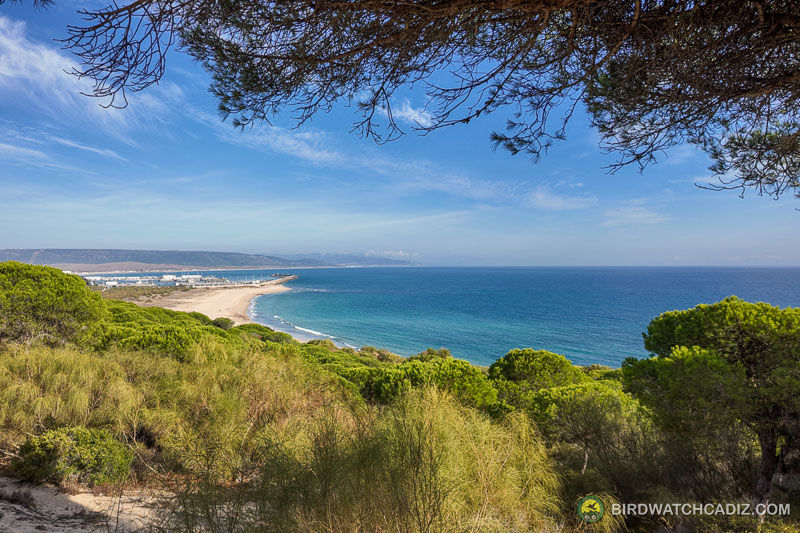
To complete my time in Barbate, I followed the popular path through the pine forest leading to the ancient watchtower, Torre del Tajo, which sits atop the impressive cliffs. This trail provides a completely different perspective on the Natural Park. I was fortunate enough to capture some shots of a Peregrine Falcon sitting on a cliff.


Comments