
Birding in Extremadura: Rollers, vultures and endless landscapes
Updated: May 24
I spent almost three days in Extremadura, exploring three very different birding areas: the plains around Trujillo, the wetlands of Saucedilla and the dramatic landscapes of Monfragüe. I had originally planned to visit Extremadura earlier in spring, but the weather had been very unpredictable for weeks. Because of the rain, I had already postponed the trip more than once. In the end I arrived relatively late in the season, hoping there would still be plenty of birdlife around. The trip turned out to be absolutely worthwhile. I ended up seeing more than 60 bird species during those few days. Not huge numbers of birds everywhere, but definitely an interesting variety of species.
Day 1 — The Plains Around Trujillo
The plains around Trujillo are one of the classic birding areas of Extremadura. The vast open landscape attracts birdwatchers from all over Europe, mainly because of its steppe birds such as bustards and sandgrouse, but colourful species like the European Roller and numerous raptors also make the area especially rewarding.
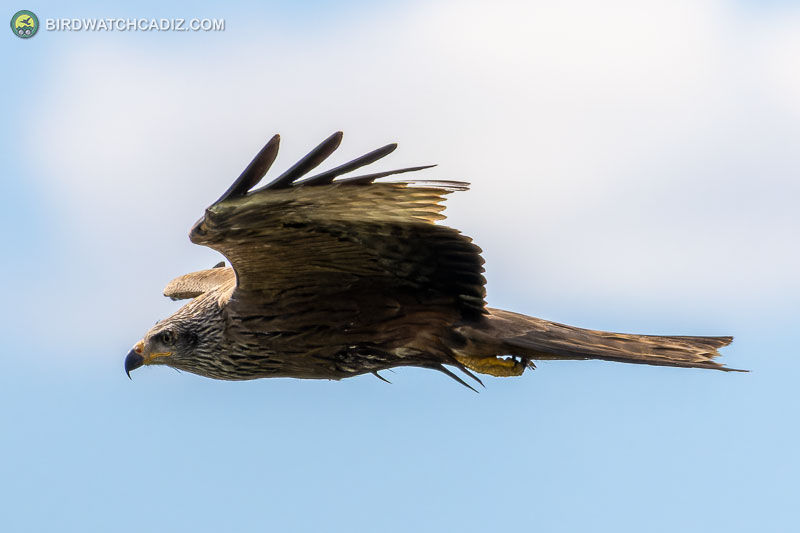
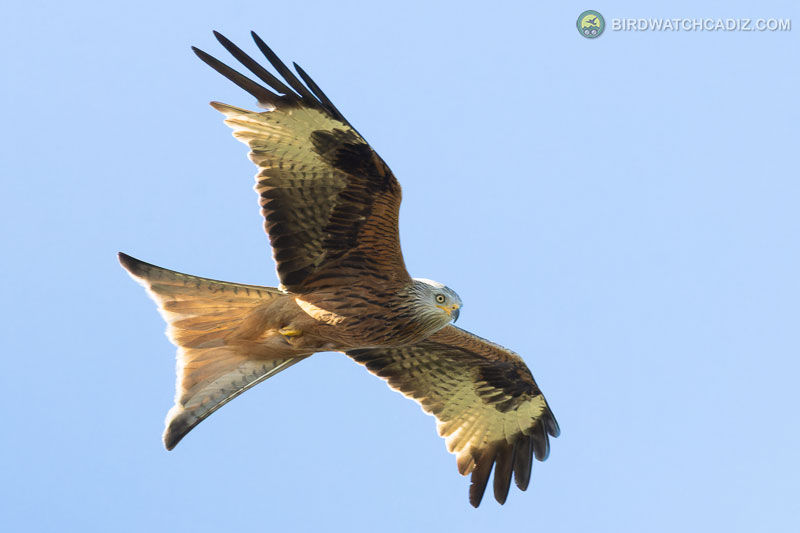
When I arrived in the area, I immediately noticed that many fields had already been harvested. Haystacks were scattered across the landscape, giving the plains a dry early-summer atmosphere. My trip was already fairly late in spring, but even while approaching Extremadura I had already seen plenty of White Storks, Black Kites and Griffon Vultures soaring over the roads.
At my first stop I met some birders from Sweden and also some Italians. It turned into one of those funny multilingual conversations where everybody mixes English, Spanish, French and Italian together and somehow still understands each other perfectly. It was also a reminder that knowing scientific bird names would actually be useful in these international birding situations. Quite often I can identify a bird species when reading its scientific name, but I rarely recall the Latin name just from seeing the bird.
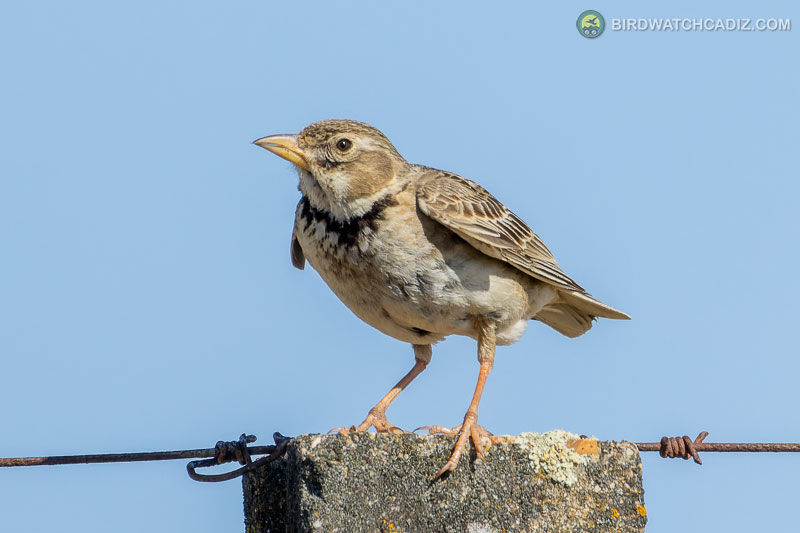
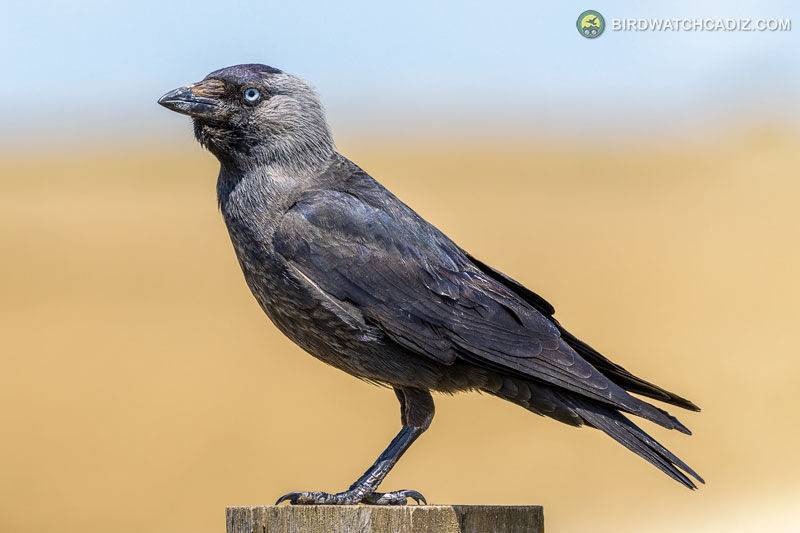
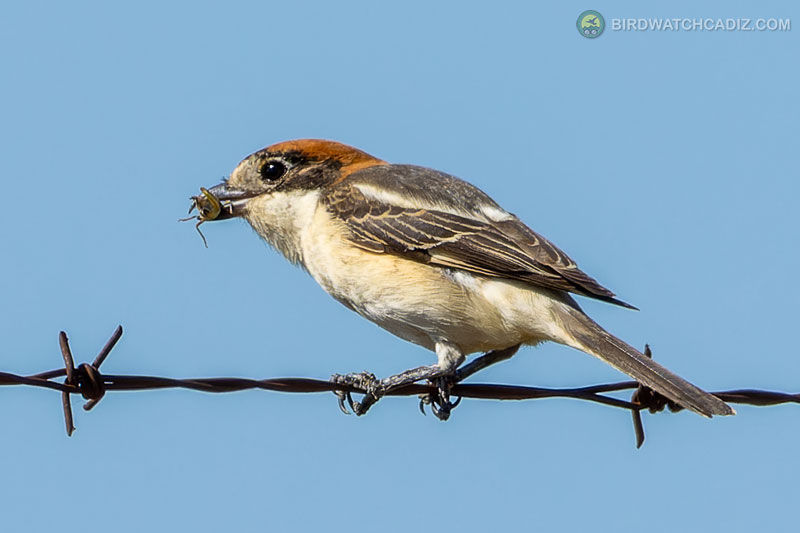
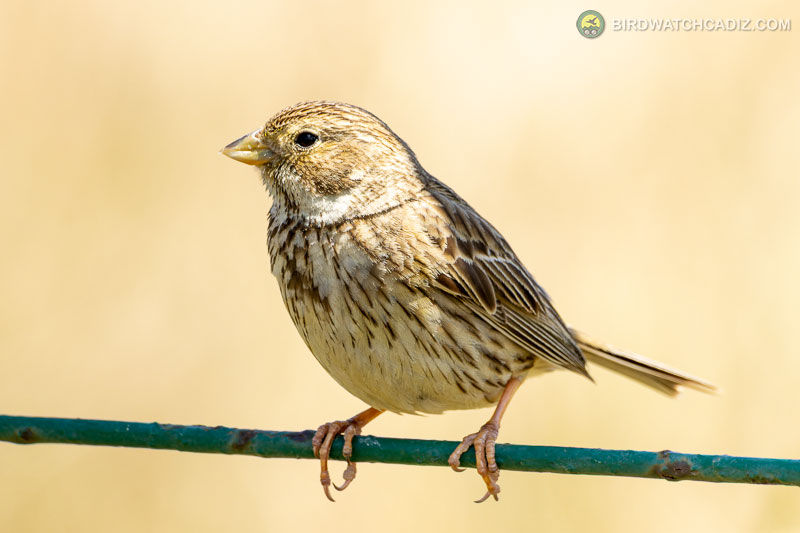
Near that spot I saw a huge flock of Spanish Sparrows, lots of Corn Buntings and several Jackdaws. The real highlight of the day, however, was without any doubt the sight of two European Rollers.
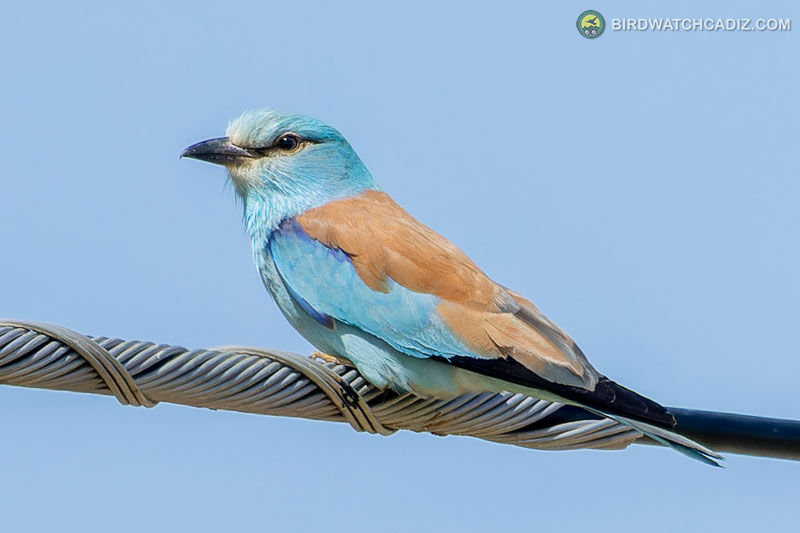
The European Roller is one of those birds that almost looks unreal when you see it for the first time. Bright turquoise underparts, warm brown upperparts and flashes of electric blue in flight: it honestly looks more like a tropical bird than something you would expect in Europe. They migrate all the way from Africa to southern Europe to breed, and Extremadura is one of the better places to see them during spring and summer.
Unfortunately, I did not see a single steppe bird that day. I had really hoped for species like Great Bustard or sandgrouse. Still, the Rollers more than compensated for that disappointment. Luckily, they were not very shy. They allowed me to photograph them properly and even record some video footage. There was something slightly melancholic about watching such a magnificent bird fly away, wondering if or when I would ever see one again. They are not common birds, that is for sure.
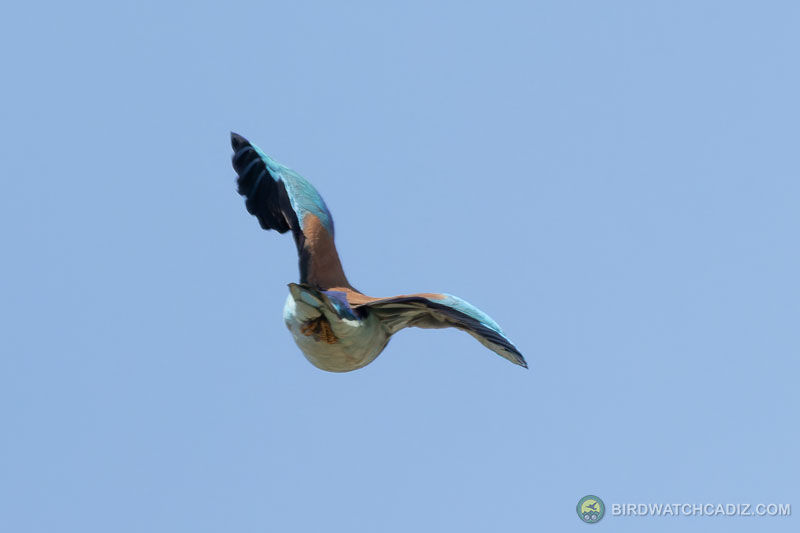
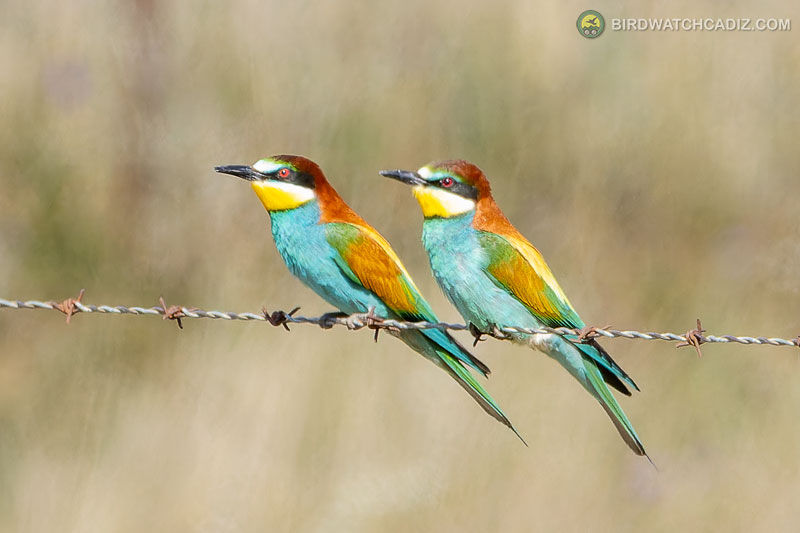
The European Rollers were undoubtedly the highlight of the day, and probably the most spectacular birds I saw there. Still, later that afternoon I also encountered a pair of European Bee-eaters, which were serious contenders for the title of most beautiful bird of the day. Their combination of bright yellow, turquoise and chestnut colours almost looked unreal in the warm evening light.
Day 2 — Saucedilla and the Arrocampo Reservoir
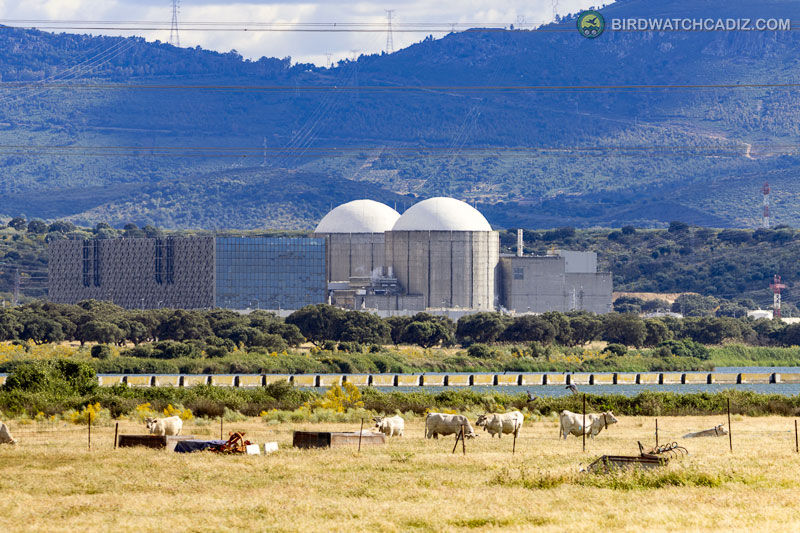
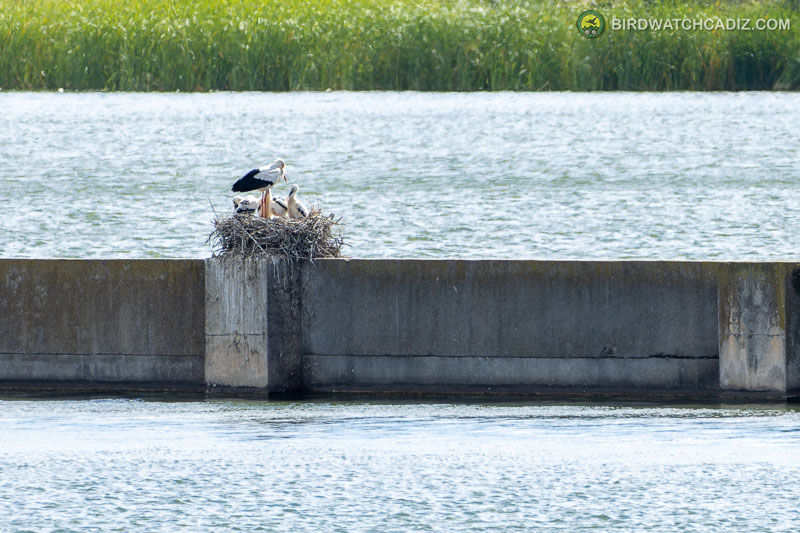
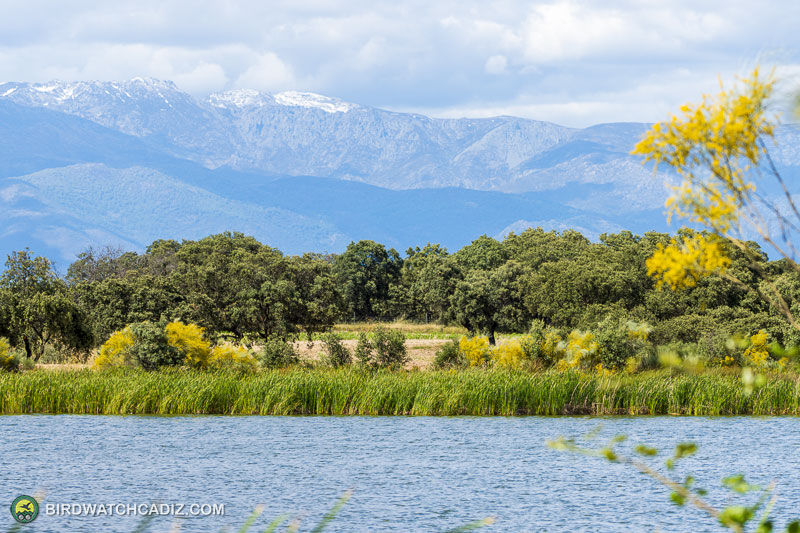
I spent the entire second day around the Arrocampo reservoir near Saucedilla. The reservoir itself is quite an unusual place: it was originally created to cool the nearby Almaraz nuclear power station, but over the years it has become an important wetland for birds, full of reedbeds, hides and surprisingly rich biodiversity.
The morning was windy and a little chilly, although the sky was perfectly clear. There did not seem to be an overwhelming abundance of birds, but there was definitely a great variety of species around. I also met many other birders throughout the day, including quite a few Dutch people and several Spanish birders visiting from other regions of the country.
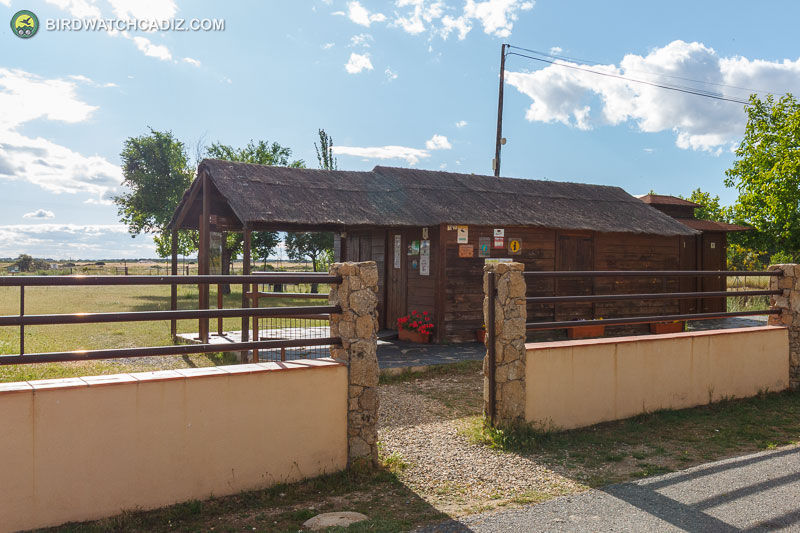
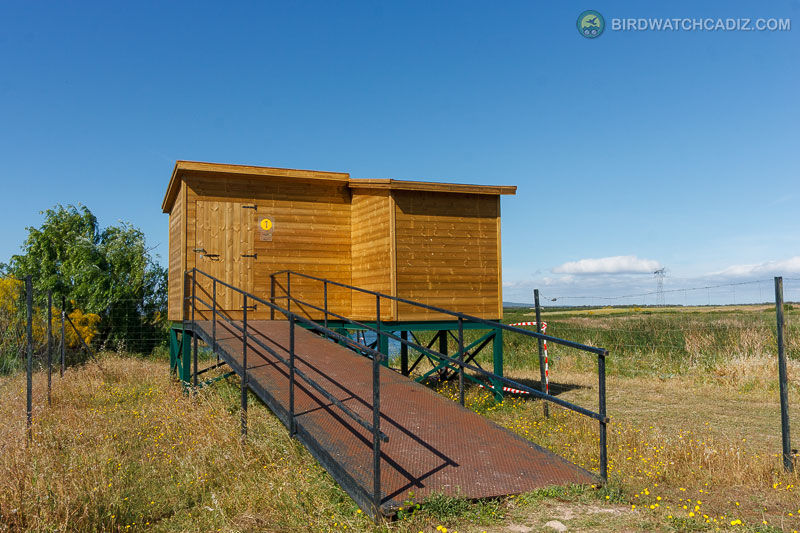
There are six hides that birders can freely use after picking up the keys at the information centre. Before visiting the hides, however, I first checked another spot kindly recommended by the lady at the centre. That recommendation immediately paid off. It was there that I encountered a Long-eared Owl, a species that I had only seen twice before in my life.
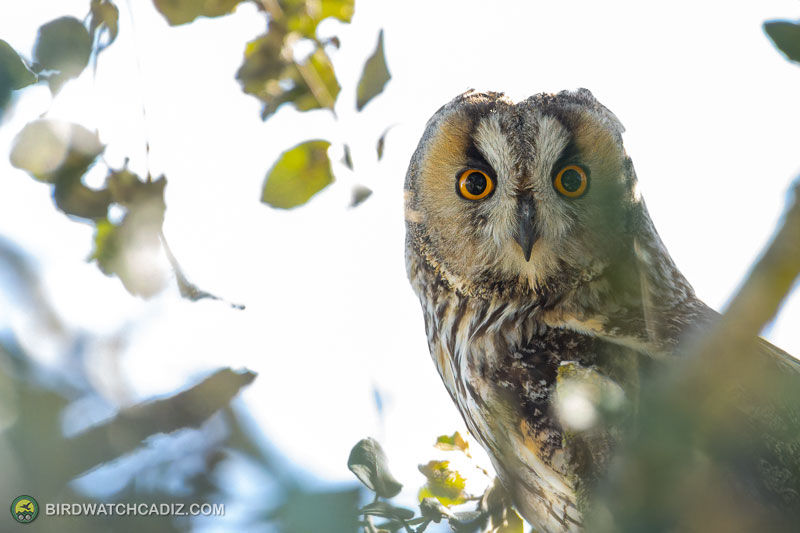
What made the Long-eared Owl sighting even stranger was the fact that only a few days earlier I had dreamed about encountering a large owl. Sometimes birding produces moments that almost feel scripted.
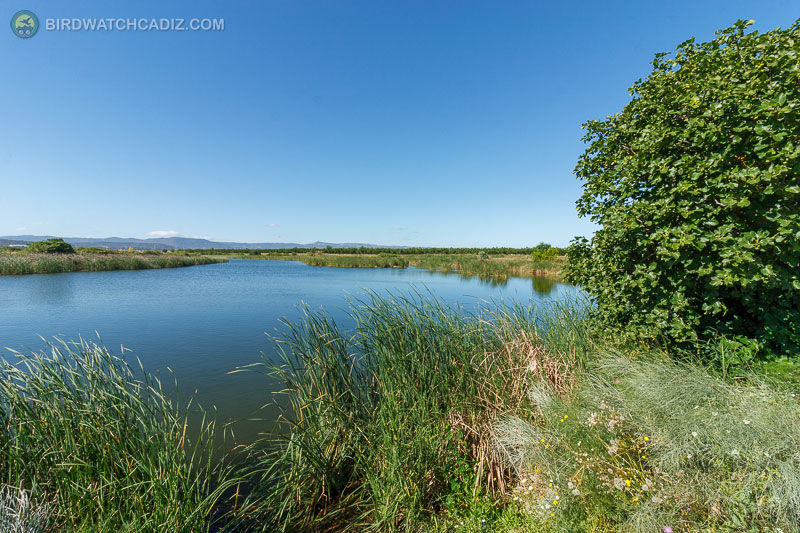
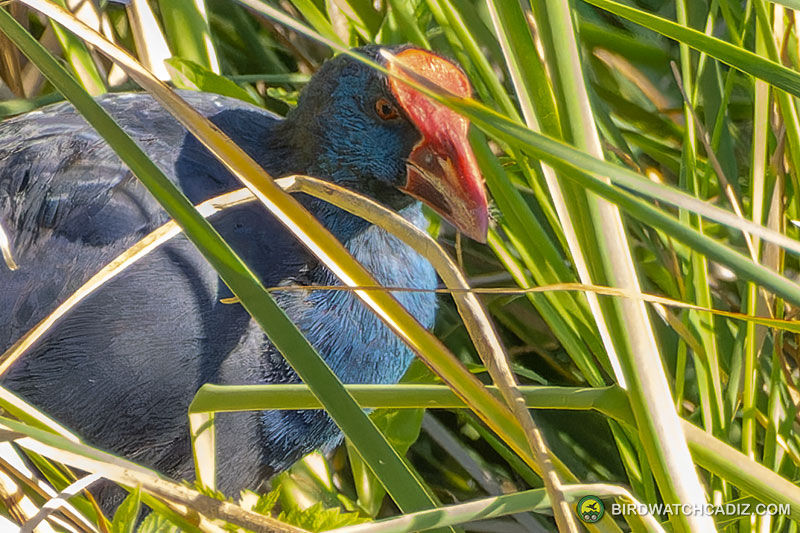
One thing that immediately stood out around the reservoir was the number of Purple Herons. I probably saw more Purple Herons than Grey Herons, which is something I am definitely not used to seeing back home.
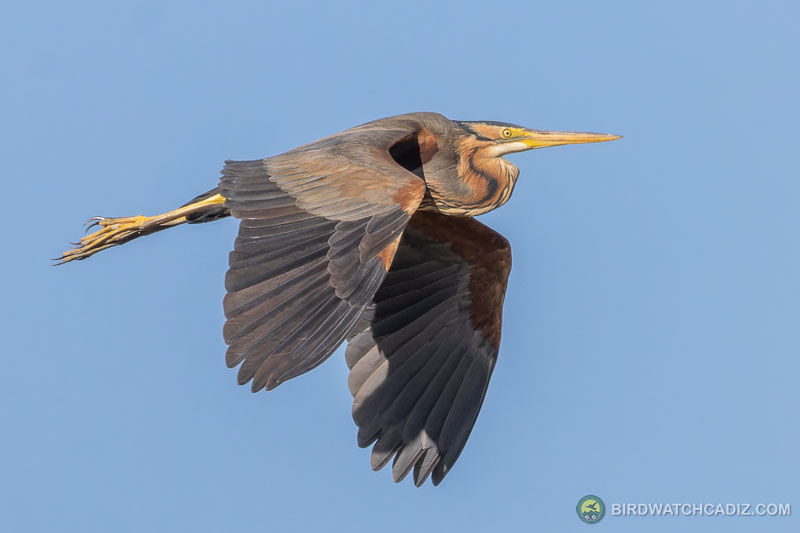
It is difficult to say which hide was the “best” one. Birdwatching does not really work that way anyway. You cannot order birds like items from a menu; you simply need patience and a bit of luck.
One pleasant surprise was the sight of three Black Vultures soaring overhead. I had expected to see this species the following day in Monfragüe, but certainly not here.
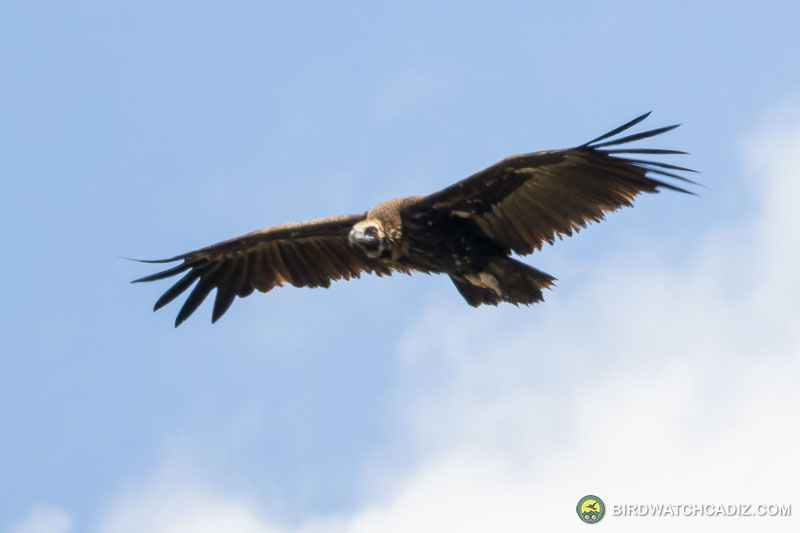
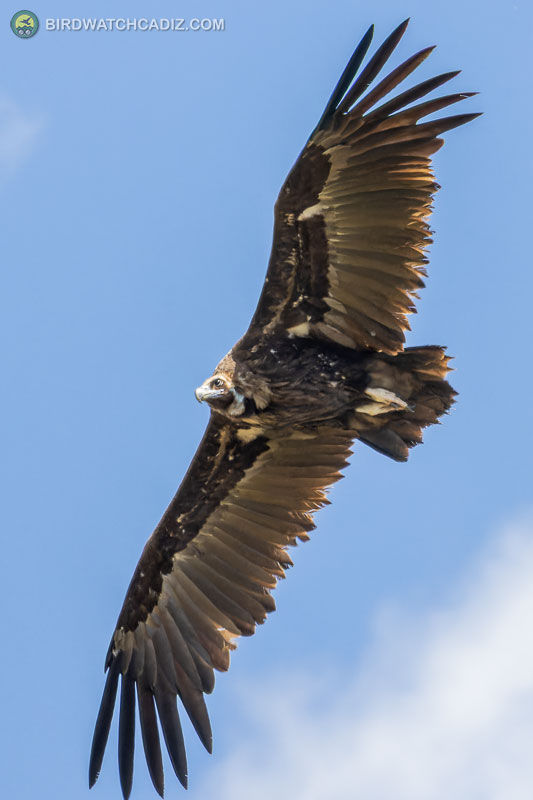
The Black Vulture is an enormous bird, one of the largest birds of prey in Europe, with a wingspan that can approach three metres. Unlike the lighter Griffon Vulture, Black Vultures appear darker, bulkier and more powerful in flight. Extremadura is actually one of the strongholds for the species in Europe, especially around Monfragüe.
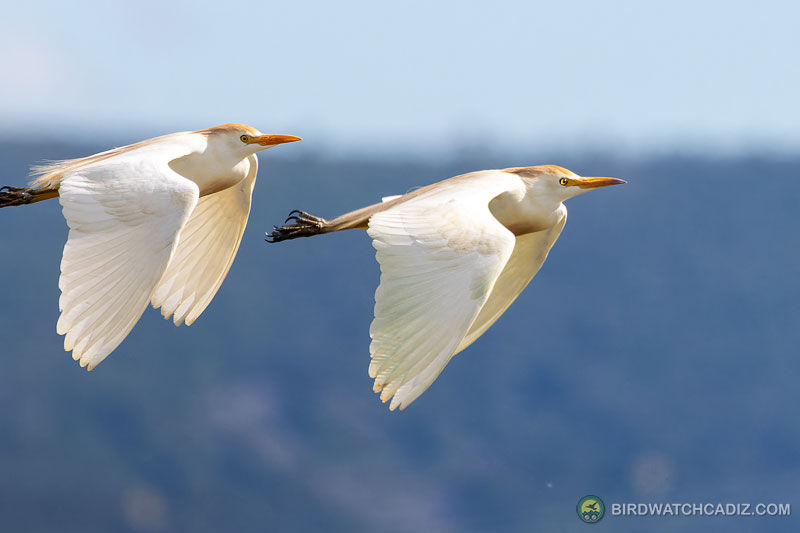
Late in the afternoon I heard what I thought was a Golden Oriole. At first I doubted myself because there was also a noisy Spotless Starling sitting in the same tree, and for a moment I wondered if the starling was somehow imitating the Oriole. A little later I finally caught a brief glimpse of the real bird flying quickly over an olive grove.

That probably added another two seconds to the total amount of time that I have actually seen a Golden Oriole in my life. It is funny how such a bright yellow bird can still be so incredibly difficult to observe properly.
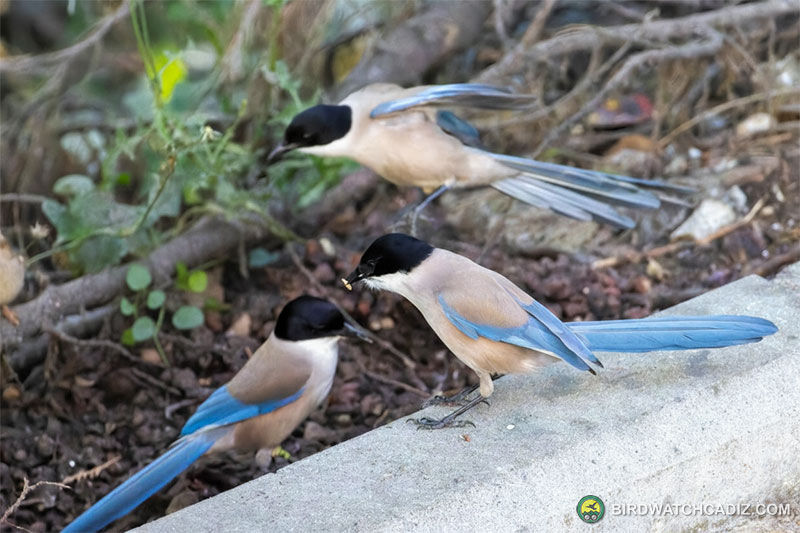
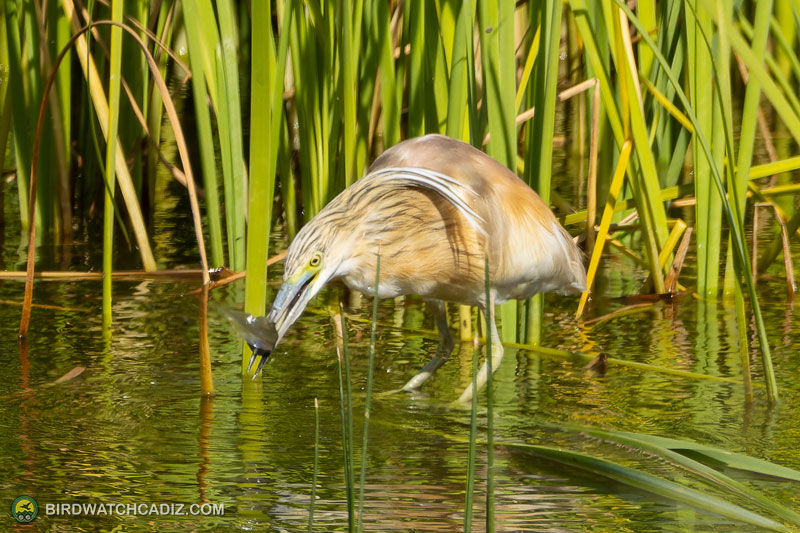
Another memorable moment happened while I was photographing some Iberian Magpies. A birder I had met earlier suddenly thought he had spotted a Bittern. Now, Bitterns are one of those mythical species that many birders desperately want to see. They are secretive, difficult to find and becoming rarer in many places. I honestly found it hard to believe there was one standing out in the open here, but I joined him anyway.
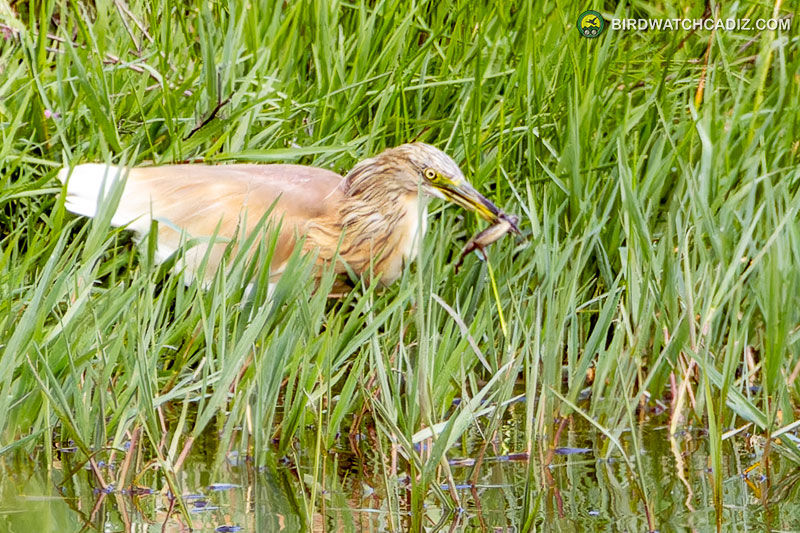
In the end it turned out not to be a Bittern but a Squacco Heron. Less spectacular perhaps, but still a beautiful bird to watch as it hunted in a small pond.
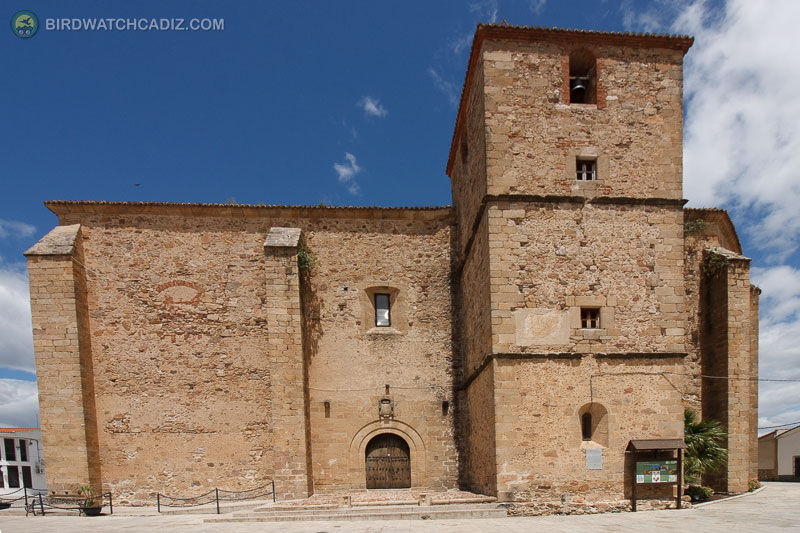
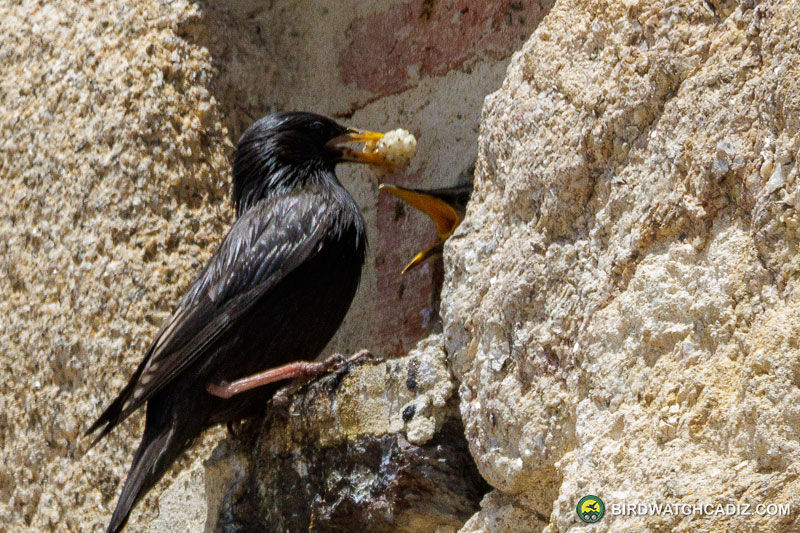
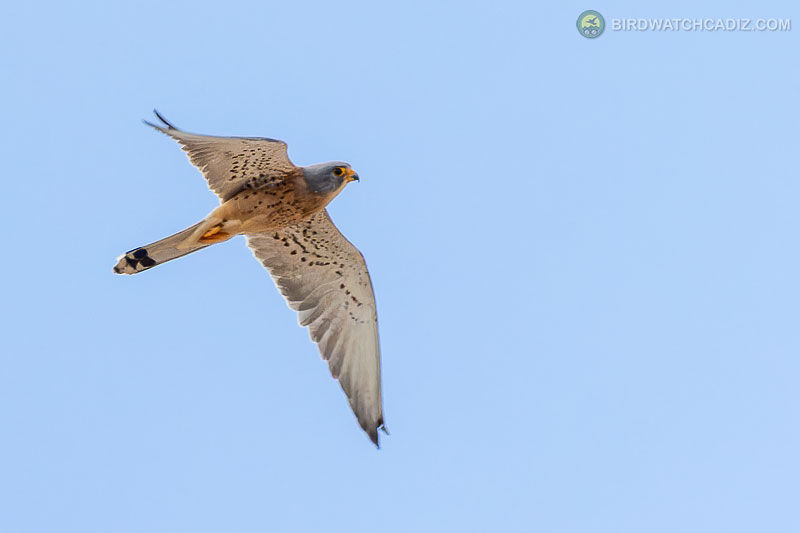
Back in Saucedilla itself, I visited the church tower that hosts a colony of Lesser Kestrels. Or perhaps I should say: used to host one. I only saw three Lesser Kestrels there. Most nesting cavities seemed occupied by Jackdaws and Spotless Starlings, all extremely busy feeding their juveniles. It was actually fascinating to watch. The birds constantly disappeared into the holes carrying insects or berries, then reappeared moments later with something else in their bills, probably food remains or droppings from the juveniles.
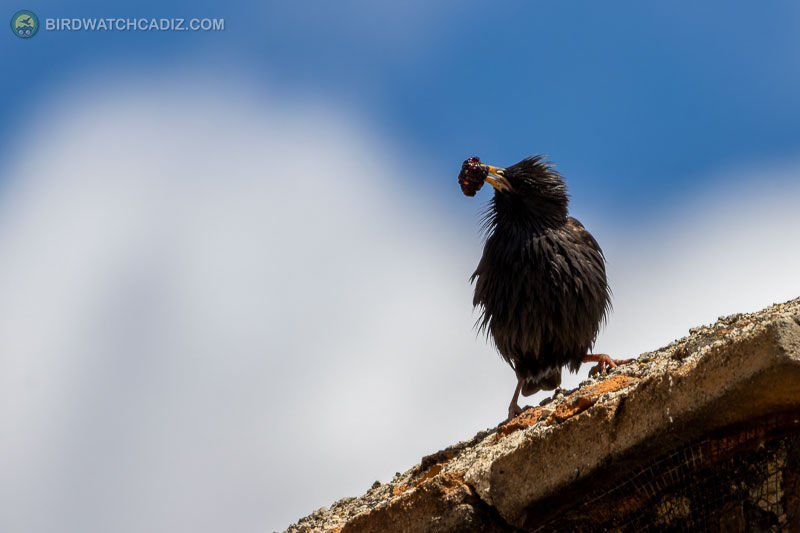
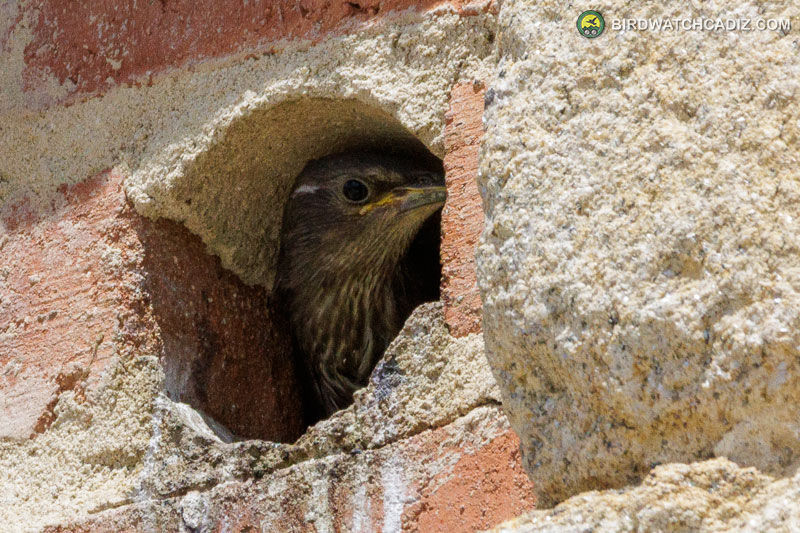
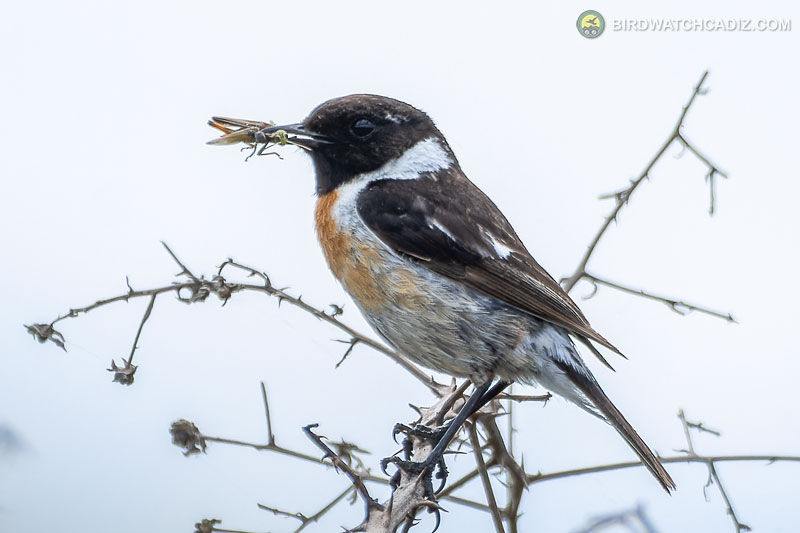
It remained windy throughout the day. The morning felt chilly, but by afternoon it had become pleasantly warm without being excessively hot. One thing I noticed everywhere was how many birds were actively transporting food to nests. Spring was clearly still in full swing.
Day 3 — Monfragüe
The third day brought slightly different weather conditions. Barely any wind, but still lots of sunshine and very pleasant temperatures. I visited Monfragüe National Park, the place I had expected to be the highlight of the whole trip, and it absolutely was. The landscape here is spectacular. The Tagus River cuts through rocky valleys and cliffs, creating viewpoint after viewpoint with breathtaking scenery. Honestly, even without the birds this place would still be worth visiting. You could easily spend several days here, especially outside the hottest part of summer.
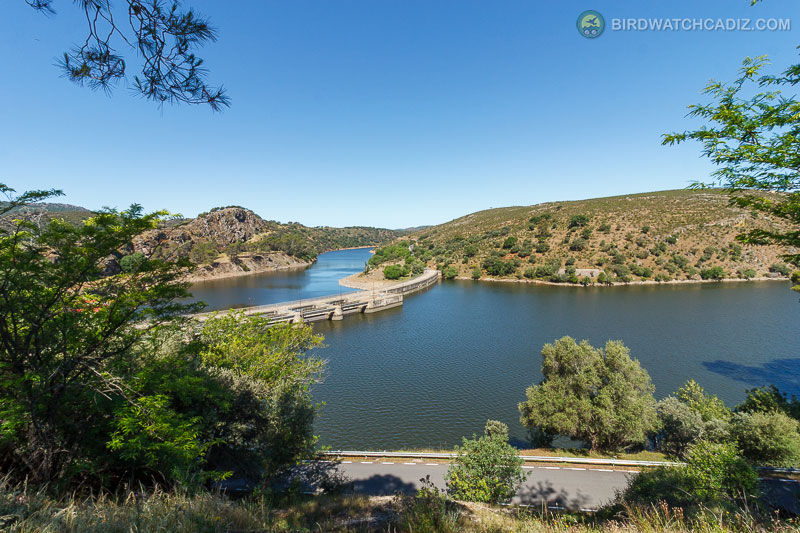
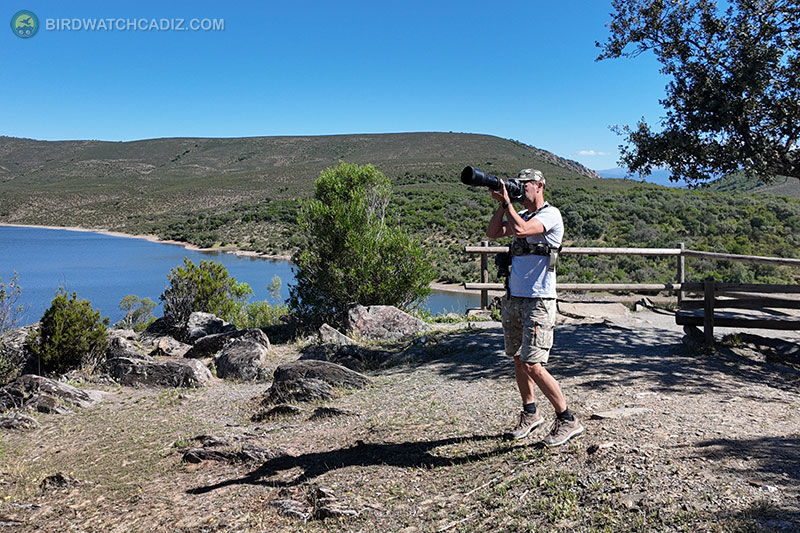
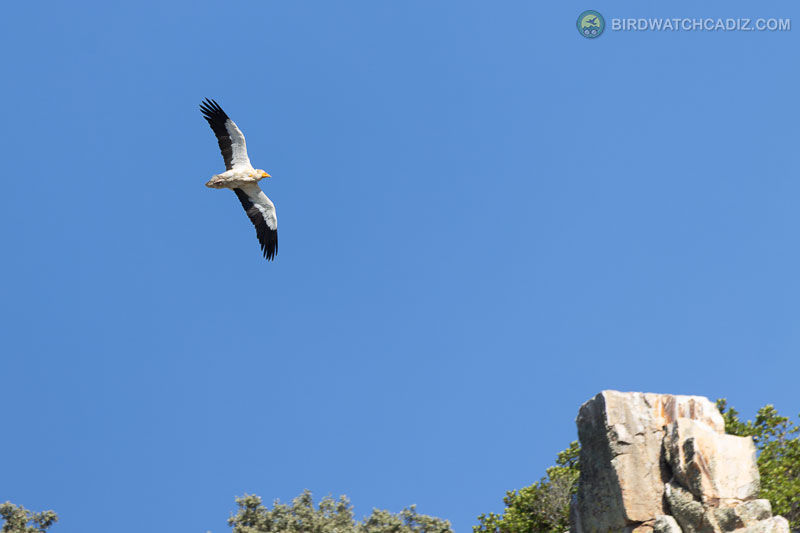
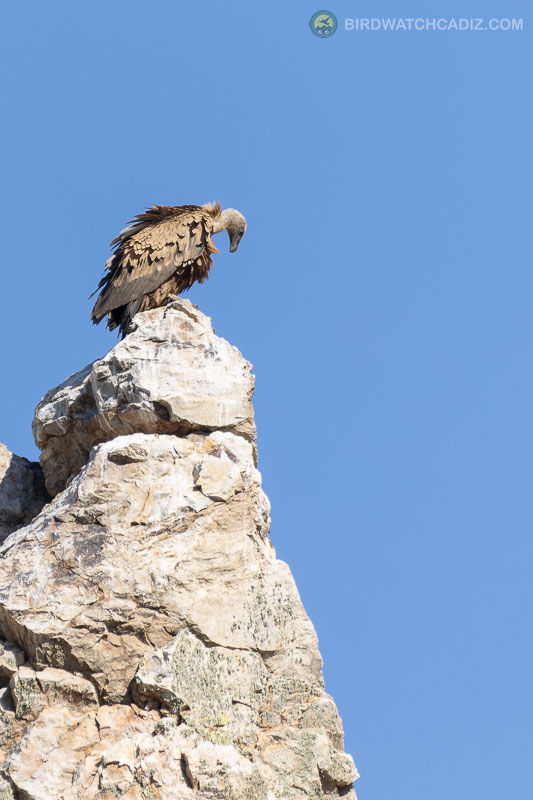
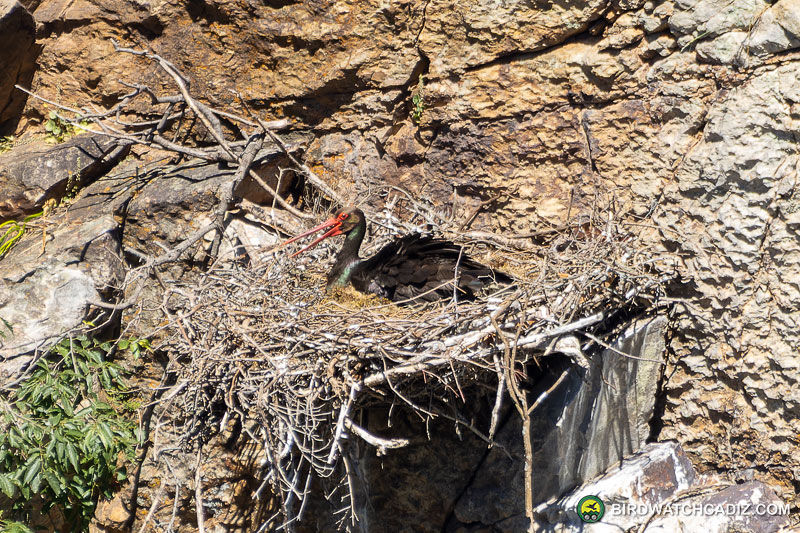
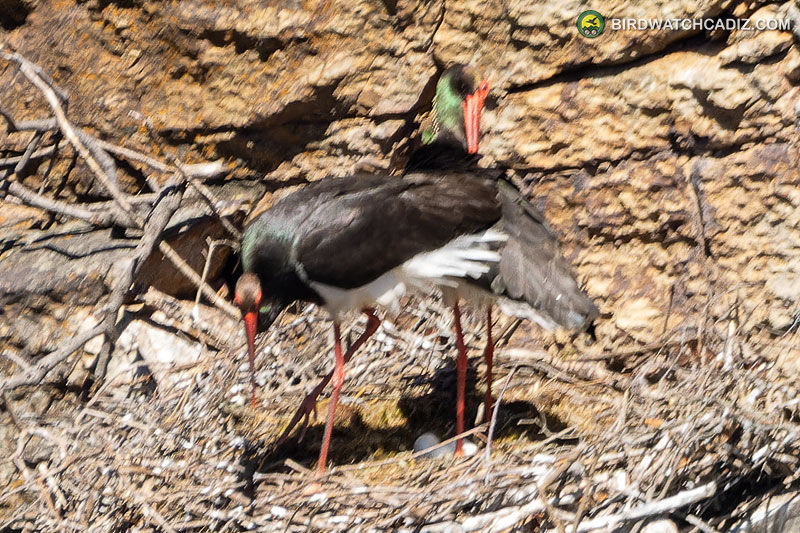
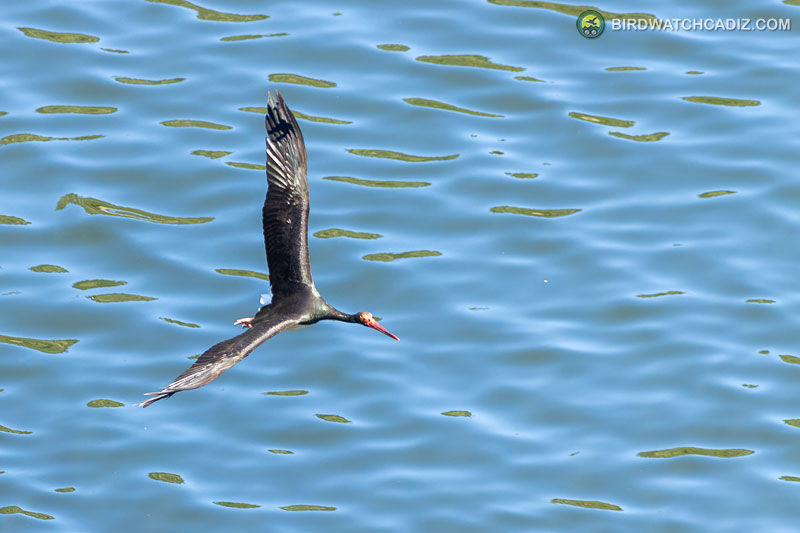
Unsurprisingly, there were birdwatchers everywhere, most of them hoping to see breeding vultures or the famous Spanish Imperial Eagle. I saw several Griffon Vultures on the cliffs and one Egyptian Vulture drifting through the valley. The main attraction in Monfragüe is Salto del Gitano, a dramatic cliff face overlooking the Tagus River. It is one of the most famous birdwatching spots in Spain and especially well known for its nesting vultures and Black Storks. I would honestly say that the landscape itself is at least as impressive as the birds.
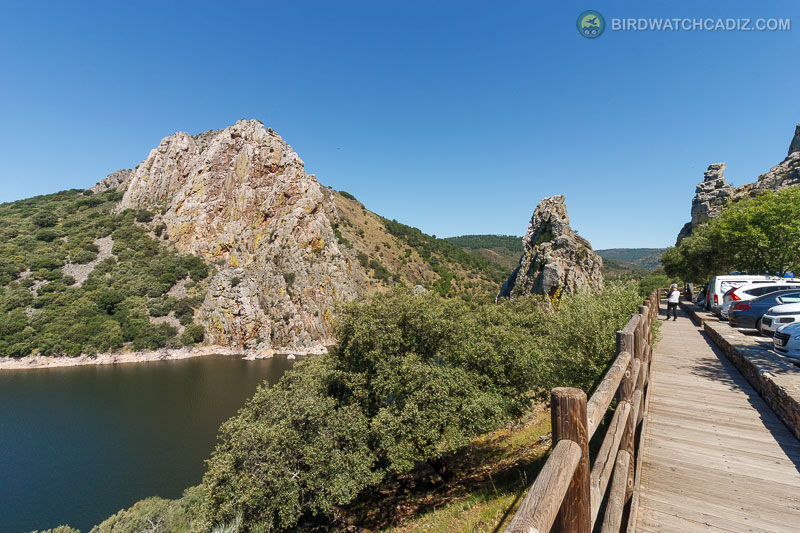
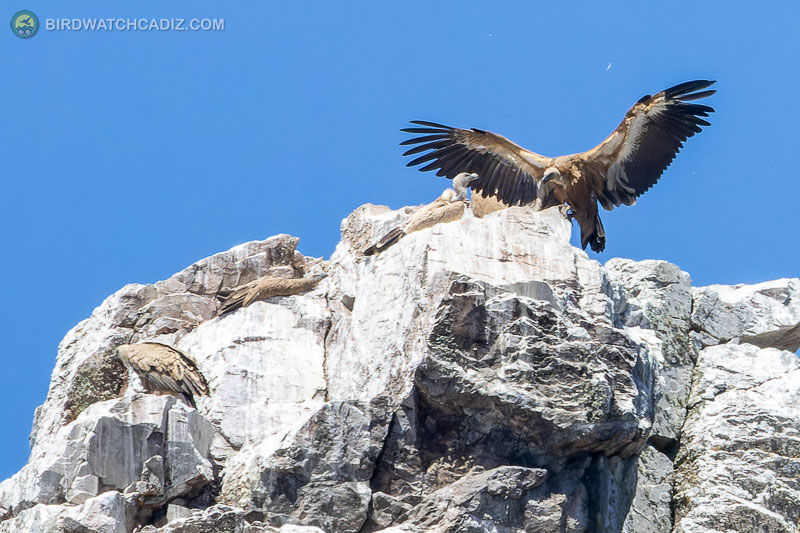
At times there even seemed to be more birdwatchers than vultures. The place is undeniably beautiful and certainly worth visiting, although personally I found it just a tiny bit overrated compared to the almost mythical reputation it has among birders. Still, seeing several breeding Black Storks there was definitely special. That is not exactly an everyday sight.
Final thoughts
By the final day the temperatures were already climbing noticeably. Summer is clearly approaching. Let us hope the heat shows some mercy this year.
Overall, I recorded more than 60 bird species during the trip. There were not enormous concentrations of birds everywhere, but the variety of species made the journey absolutely worthwhile. Extremadura really does feel like one of those places where the landscape, the atmosphere and the birdlife all come together perfectly.


Comments